Kratom Types Explained: Buying Guides for Better Choices
Understanding the different kratom types and knowing how to identify reputable kratom sellers has become essential for anyone seeking quality products. Whether you’re exploring kratom for the first time or looking to refine your purchasing decisions, this comprehensive buying guide will equip you with the knowledge needed to make informed choices.
Understanding Kratom Strain Classifications
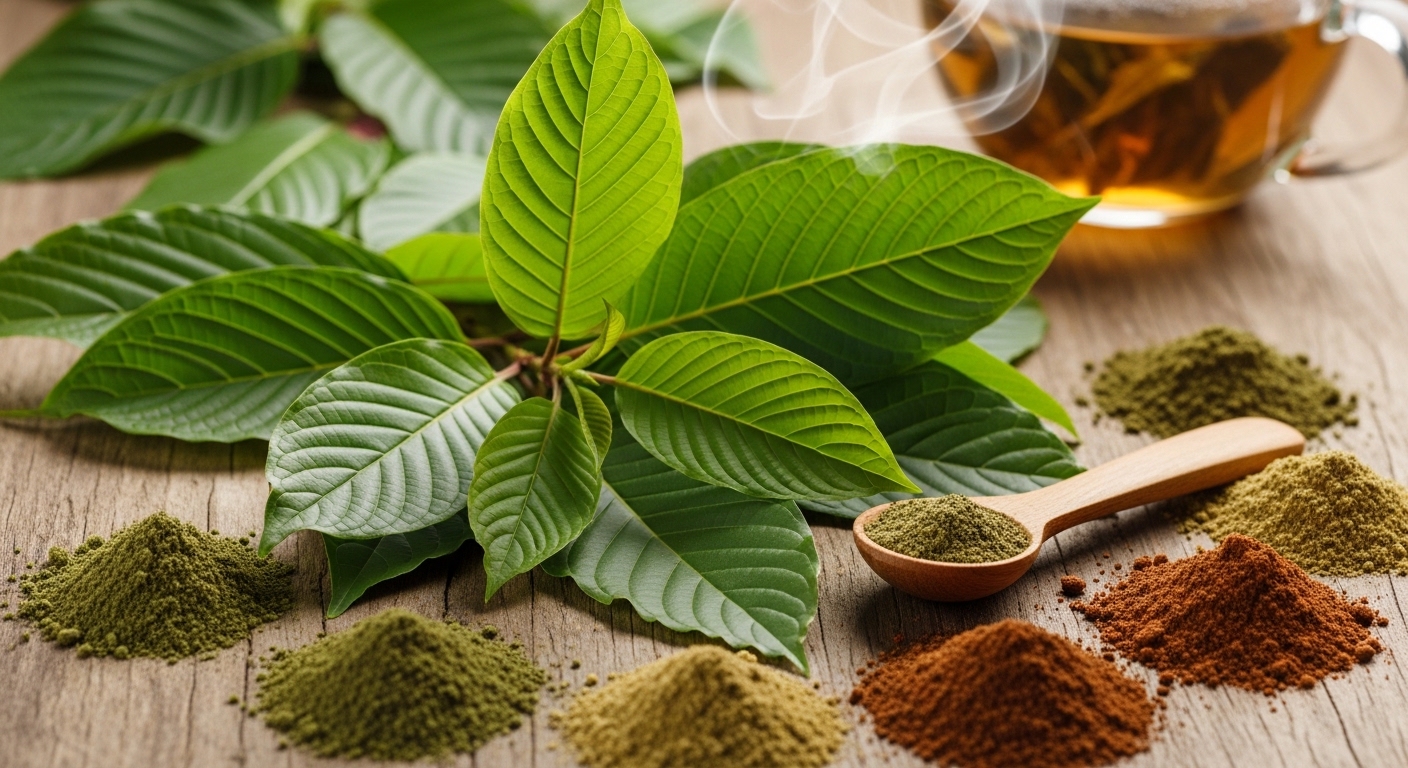
Kratom, scientifically known as Mitragyna speciosa, comes in various strains that differ primarily by vein color and region of origin. These classifications significantly impact the product’s characteristics and effects.
The Three Primary Vein Colors
Red Vein Kratom represents the most popular category among consumers. These strains undergo longer maturation periods, resulting in distinct alkaloid profiles. Red vein varieties typically originate from Indonesia, Thailand, and Borneo.
White Vein Kratom comes from younger leaves harvested earlier in the plant’s lifecycle. These strains are known for their unique alkaloid composition and are particularly sought after by those seeking energizing varieties.
Green Vein Kratom sits between red and white varieties in terms of leaf maturity. These balanced strains often appeal to users looking for moderate effects, combining characteristics of both red and white varieties.
Regional Variations Matter
Beyond vein color, kratom strains are often named after their geographic origins:
- Bali Kratom: Widely available and popular among beginners
- Maeng Da: Translates to “pimp grade,” indicating premium quality
- Borneo: Known for potency and diverse effects
- Thai: Traditional strains with historical significance
- Malaysian: Balanced varieties gaining popularity
- Indo: Smooth, well-rounded options from Indonesia
What to Look for in Quality Kratom Sellers
Finding trustworthy kratom sellers requires careful evaluation of several critical factors. The quality of your kratom experience depends heavily on vendor reliability and product integrity.
Laboratory Testing and Transparency
Reputable kratom sellers invest in third-party laboratory testing to verify product purity and alkaloid content. Look for vendors who:
- Provide Certificate of Analysis (COA) documents
- Test for heavy metals, pesticides, and contaminants
- Verify alkaloid percentages (mitragynine and 7-hydroxymitragynine)
- Display batch numbers for traceability
- Update testing results regularly
Source Verification and Ethical Practices
Premium vendors maintain direct relationships with farmers in Southeast Asia. Questions to consider when evaluating best kratom brands:
- Do they disclose sourcing locations?
- Are harvesting practices sustainable?
- Do they support fair trade principles?
- Can they verify the authenticity of their supply chain?
Customer Service and Education
Quality kratom sellers prioritize customer education over aggressive sales tactics. They should offer:
- Detailed strain descriptions
- Dosage guidelines
- Responsive customer support
- Money-back guarantees
- Clear return policies
Kratom Product Forms: Choosing What’s Right for You
Understanding different product formats helps optimize your purchasing decisions and usage preferences.
| Product Type | Advantages | Best For |
|---|---|---|
| Powder | Versatile, affordable, fast-acting | Experienced users, tea preparation |
| Capsules | Convenient, pre-measured, tasteless | Beginners, on-the-go use |
| Extracts | Concentrated, potent, small doses | Advanced users seeking intensity |
| Crushed Leaf | Traditional, authentic, tea-friendly | Purists, ceremonial use |
Powder: The Most Popular Choice
Kratom powder offers maximum versatility and typically provides the best value. When purchasing powder from kratom sellers, verify:
- Fine, consistent texture without clumping
- Fresh, earthy aroma
- Vibrant color appropriate to strain type
- Proper packaging with moisture barriers
Capsules: Convenience at a Premium
Pre-measured capsules eliminate the need for scales and mask kratom’s bitter taste. Quality capsule products feature:
- Vegetarian or gelatin capsule options
- Accurate weight specifications (usually 0.5-1.0 grams)
- Tamper-evident packaging
- Clear strain labeling
Extracts: Potency Requires Caution
Enhanced kratom extracts concentrate alkaloids through various extraction methods. These products demand respect and understanding:
- Labeled with extraction ratios (5x, 10x, etc.)
- Significantly more potent than standard powder
- Higher price points reflecting processing
- Recommended only for experienced users
Red Flags When Evaluating Kratom Sellers
Protecting yourself from substandard vendors requires awareness of common warning signs in the marketplace.
Unrealistic Claims and Marketing
Avoid kratom sellers who:
- Make medical or therapeutic claims
- Promise specific health outcomes
- Use aggressive or misleading advertising
- Lack proper disclaimers
- Guarantee effects or results
Pricing Concerns
Both extremely low and suspiciously high prices warrant scrutiny:
Too Cheap: May indicate poor quality, contamination, or adulteration Too Expensive: Doesn’t necessarily guarantee superior products
Research average market prices for your desired strain and quantity. Quality kratom sellers price competitively while maintaining reasonable profit margins.
Poor Online Presence
In today’s digital marketplace, legitimate vendors maintain professional websites featuring:
- Secure payment processing (SSL certificates)
- Detailed product information
- Contact information and physical addresses
- Professional design and functionality
- Active customer reviews and testimonials
Building a Smart Kratom Purchasing Strategy
Developing a systematic approach to buying kratom ensures consistency, quality, and value over time.
Start with Sample Packs
Many reputable kratom sellers offer sample or variety packs containing multiple strains in smaller quantities. This approach allows you to:
- Test product quality before committing to larger purchases
- Explore different strains and vein colors
- Identify personal preferences
- Evaluate vendor reliability
Keep a Kratom Journal
Documenting your experiences helps refine future purchasing decisions:
- Record strain names and vendors
- Note dosage amounts and timing
- Track effects and duration
- Identify favorites and disappointments
- Monitor quality consistency across orders
Rotate Strains Regularly
Experienced users often rotate between different strains to maintain effectiveness. Consider purchasing from kratom sellers who offer:
- Multiple strain options
- Bulk pricing for variety
- Subscription services with rotation options
- Seasonal or limited-edition strains
Storage and Freshness Considerations
Proper storage maximizes kratom potency and longevity, protecting your investment.
Optimal Storage Conditions
Preserve kratom quality by:
- Storing in airtight containers
- Keeping away from direct sunlight
- Maintaining cool, dry environments
- Using vacuum-sealed bags for long-term storage
- Labeling containers with strain and purchase date
Recognizing Freshness
Fresh kratom from quality kratom sellers exhibits:
- Strong, characteristic aroma
- Vibrant, appropriate coloring
- Fine, dry texture
- No musty or off-putting smells
- Absence of moisture or clumping
Frequently Asked Questions
Q: How can I verify if kratom sellers are legitimate? A: Check for third-party lab testing, read customer reviews, verify secure payment systems, and ensure they provide detailed product information. Legitimate vendors are transparent about sourcing and testing practices.
Q: What’s the difference between kratom powder and capsules? A: Powder is more versatile and economical but has a bitter taste. Capsules offer convenience and pre-measured doses but cost more. Both contain the same kratom; the choice depends on personal preference.
Q: How much should I expect to pay for quality kratom? A: Prices vary by quantity and strain, but expect to pay $8-15 per ounce for powder and $12-20 per ounce for capsules from reputable sellers. Extremely low prices may indicate quality issues.
Q: Can I trust kratom sellers who don’t provide lab testing? A: It’s risky. Reputable vendors invest in third-party testing to ensure purity and safety. Vendors without testing documentation may sell contaminated or adulterated products.
Q: What’s the best kratom type for beginners? A: Green Maeng Da or Green Bali are often recommended for beginners due to their balanced profiles. Start with small sample sizes from trusted kratom sellers to find what works best for you.
Conclusion
Navigating the kratom marketplace successfully requires knowledge, diligence, and a commitment to quality. By understanding strain classifications, identifying reputable kratom sellers, recognizing product formats, and avoiding common pitfalls, you can make purchasing decisions that align with your needs and values.